


Recessed Lighting in Winchester, VA: What to Know Before You Add It
Few upgrades change how a room feels as thoroughly as good light from the ceiling. Dark corners disappear, the kitchen counters finally get light where the work happens, and the dated dome fixture in the middle of the room stops doing all the heavy lifting badly.
The timing argument writes itself in this climate: by mid fall the sun sets before dinner, and every room in the house lives on artificial light for the next five months. Here is what recessed lighting costs, how to lay it out so it flatters the room, and what installation actually looks like.
How much does recessed lighting cost to install?
Most Winchester installations run $150 to $350 per light including the fixture, wiring, and basic switching, so a typical six light living room lands between $1,000 and $2,000. Access sets the range: rooms with open attic above price near the bottom, and ceilings with finished floors overhead price near the top because the wiring takes more fishing and patching.
New dimmers, additional switch locations, and drywall repair add modestly to the total. Larger projects earn better per light pricing, which is why lighting the kitchen, hallway, and living room in one visit usually beats three separate small jobs.
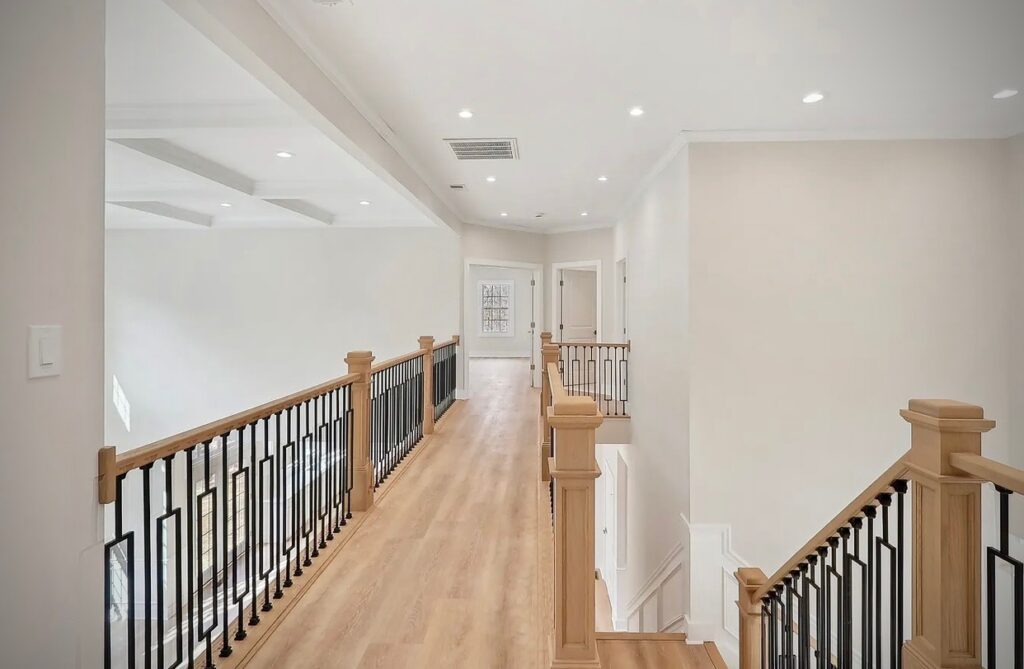
How many lights, and where they go
The classic spacing rule says divide the ceiling height by two: with 8 foot ceilings, lights sit roughly 4 feet apart and about 2 to 3 feet off the walls. Rules of thumb only start the conversation, though. Purpose finishes it. Kitchen counters, reading corners, and desks want light aimed at the task, while the middle of a seating area does better with soft, even coverage than with a bright spot on someone’s head.
The mistake to avoid is the runway look, a rigid grid of too many lights sized for an operating room. Fewer fixtures, placed with intent, almost always beats more. Washing the walls with light makes a room feel larger and calmer, and recessed cans work best as the ambient layer while lamps and pendants add warmth at eye level.
Canless LED or traditional housings
Canless LED fixtures, the thin wafer style discs, have taken over the retrofit market for good reasons: they fit shallow ceilings where old cans never could, they are rated for contact with insulation, and they seal against air leakage into the attic. That last point matters more than people expect. Old style leaky cans quietly pump heated air into the attic all winter, and a tight ceiling pays you back on every heating bill.
Traditional housings still make sense when you want interchangeable bulbs and specialty trims. But integrated LED wafers are rated for tens of thousands of hours, and when one eventually dies decades from now, the whole inexpensive unit swaps out in minutes. For most Winchester retrofits, canless wins on cost, fit, and efficiency.
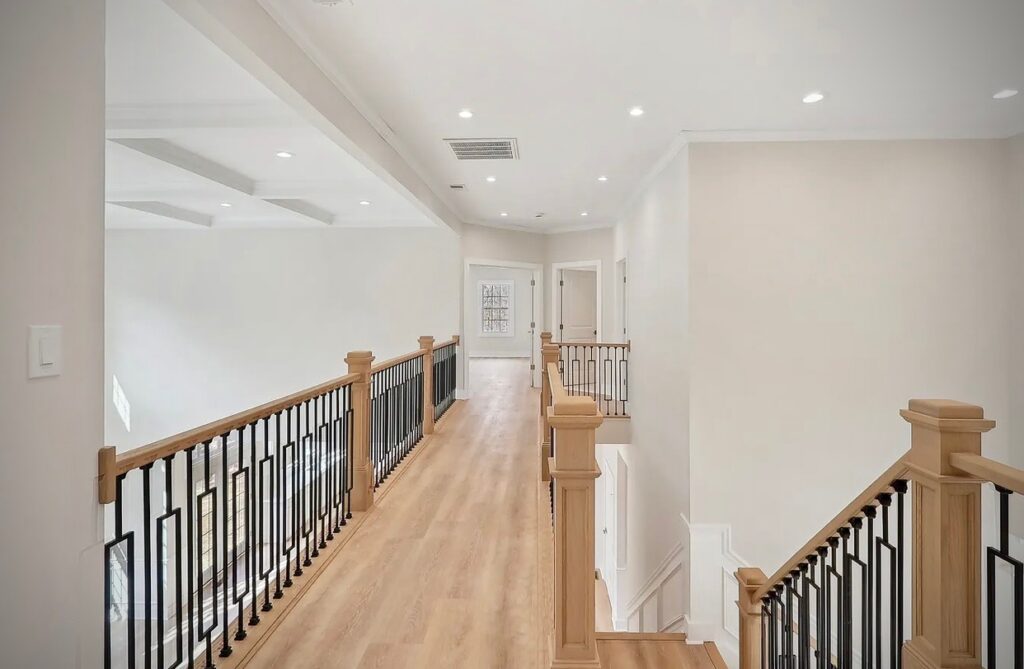
Dimmers, color temperature, and avoiding regret
Two decisions determine whether you love the result. First, color temperature: 2700K reads warm and relaxed, right for living rooms and bedrooms, while 3000K reads cleaner and crisper, a favorite for kitchens and baths. Many wafer lights now include a selectable switch, so the electrician can set it during install. Pick one temperature per room and match it exactly, because mixed whites in one ceiling always look accidental.
Second, dimming. Every recessed layout deserves dimmers, and LED fixtures demand LED rated ones. Pair mismatched hardware and you get flicker, shimmer, or a light that will not dim below half. Buying fixtures from one brand and batch keeps color and dimming behavior identical across the ceiling, which is exactly the kind of detail that separates a professional install from a weekend experiment.
What installation day looks like
A good crew starts with layout, marking every light location on the ceiling for your approval before a single hole gets cut. Then holes are cut, cable gets fished from the switch, fixtures snap in, and dimmers go on the wall. With attic access above, most rooms wrap in a day with no drywall damage at all. Without it, expect a few strategic openings, patched before the crew leaves and ready for paint.
Power will be off to parts of the house for stretches of the day, and new circuits or switch locations bring a permit along. That is the whole disruption. Book it before the holiday hosting season and the newly bright rooms will carry you straight through the dark months.
Bottom Line
Plan on $150 to $350 per light installed, lay out the fixtures around how the room actually gets used, choose sealed LED wafers with one color temperature per room, and put every zone on an LED rated dimmer. Do those four things and recessed lighting is the best money a dark room can spend. Fox Trail Electric designs and installs recessed lighting across Winchester and Frederick County, and we are glad to mark up a layout with you before anyone cuts a hole.
Related reading: our lighting installation repair services, Aluminum Wiring in Older Winchester, VA Homes: Risks and Real Fixes, Hot Tub Wiring in Winchester, VA: What a Safe Install Involves


